What is success? That question sounds simple, but it trips up founders, creators, and marketers every day. Prosperity is relative. It can be a mountain of cash or simply having the physical strength to do work you love.
For entrepreneurs, the truth is rarely simple. It usually gets ugly. Revenue matters, of course, but if your traffic grows, your calendar fills, and your stress hits the roof, are you winning or just getting better at sprinting in circles?
That is why what is success deserves a better answer than money, likes, or fancy search rankings. If you run a startup, a lean brand, or a side business you want to grow, success means choosing the right goal, tracking the right numbers, and building something that keeps paying off long after the caffeine wears off.
Search engines, dictionaries, psychologists, and business leaders all frame success a little differently. Success means different things depending on who you ask. Usually, it refers to reaching a milestone, earning public recognition, or simply having a project turn out exactly as planned.
Jargon helps nobody. Real growth starts where the textbook descriptions end. You need a personal definition you can act on in work and personal life. When you start here, you define victory on your own terms. It keeps you from measuring your life against someone else’s yardstick.
You found exactly what you need. We are also going to talk about social media and SEO, because many founders chase the wrong signs of progress and call it growth.
Table of Contents:
- Defining victory matters because most folks chase the wrong goals.
- Defining victory for those starting their own companies.
- Hard data tells the real story of a brand. Success lives in your finished projects and satisfied clients.
- Why do some websites win at search?
- Marketing that puts revenue first.
- We rarely talk about it, but your head space determines your level of achievement.
- Success often depends on how well you handle your emotions and read others.
- Grinding hard matters but having people who back you up matters even more.
- Winning looks like more than just a fat bank account.
- Stop tracking SEO the old way.
- How to spot real achievement without falling for your own hype.
- Smart entrepreneurs follow the trail left by those who won.
- Final thoughts.
What Is Success and Why Do People Get It Wrong?
The basic meaning is straightforward. Success means grabbing the result you worked for. Both Merriam-Webster and Cambridge say this, and most student dictionaries back them up.
This looks like a solid idea. It reads well. Real life is rarely that neat, because people define success differently based on their upbringing, values, money, health, and stage of life.
Most people grow up borrowing other people’s scoreboards. School rewards grades, jobs reward titles, and social media rewards noise, so many people end up chasing seemingly perfect lives that do not actually help them feel fulfilled.
Your choices suffer when you follow a path you didn’t build. Authentic results require goals that actually belong to you. You can chase traffic that never converts, win attention from people who will never buy, and rank for search terms that look pretty in a report while still struggling to pay the software bill.
Most new entrepreneurs hit a wall right here. They track activity instead of actual growth, but real growth builds a lasting legacy.
We define victory on our own terms. Time rewrites our personal definitions of winning. A promotion that defined your life at twenty-five can easily feel like a burden when you are forty.
What Is Success for Entrepreneurs?
For entrepreneurs, success has to mean more than looking successful. Looking busy is easy, and looking important on social media is also easy.
Building a company that brings in revenue, attracts the right customers, and supports your actual life is much harder. Smart founders decide what winning looks like before they start.
A solid definition of success for a founder usually includes a few parts. You need financial health, useful work, and a business model that does not chew through your time like a wood chipper.
Many people first view success as making money or amassing wealth. That is a start. However, lasting success depends on your stamina and how well you protect your hours away from the office.
Winning looks different depending on where you are in life.
- Scoring your first few paying clients marks a major milestone for startups.
- Scaling up works best when you see a flood of new customers and fatter bank accounts.
- Down the road, you might define winning as personal liberty, a happy staff, or a big exit.
- For some founders, career success means building a company without wrecking their personal life.
- For others, long-term goals matter more than a short-term win.
How you measure your wins naturally changes as you grow. That is expected. Business needs and personal goals fluctuate as you move through different stages of your life.
You fail when you refuse to update your perspective as things change. A founder who once needed survival might later need balance, and a startup that once needed traffic might later need better margins.
Success in Business Is Measured by Results, Not Vanity
Let me be honest. Do not let flashy numbers fool you. They satisfy your ego for a moment but never actually fill your sales pipeline.
Nowhere does this matter more than in SEO. Companies often fixate on top positions, but hitting number one for a useless keyword won’t pay the bills.
Search marketing works best when it builds your bottom line. That can mean revenue, qualified leads, product signups, booked calls, or valuable traffic that actually does something once it lands on your site.
If your organic search work is detached from business goals, something is off. Search visibility matters, but visibility without action is just noise.
Why rankings can fool smart founders
Your site might move up the list while your actual leads stay frozen. Your numbers are up, yet your income is stuck. You are likely drawing in folks who want to look around but have zero interest in spending money.
We see this often. Teams choose to share easy numbers while they ignore the facts that truly impact the business. Colorful graphs might impress your boss, but they won’t pay the monthly bills.
When a founder questions their search rankings, give them this clear response first.
- Are the right people finding your pages?
- Do people actually care about your content?
- Are they becoming leads, subscribers, demos, or buyers?
- Do these non-paid clicks really help us scale the brand?
A no to these questions shows you still have work to do. You have activity, but not a critical success factor that supports long-term growth.
What Makes SEO Successful at Its Core
Great SEO bridges the gap between what people search for and what your company sells. Your writing hits the mark for your readers and drives them to take the next step.
Google helpful content guidance makes it clear that content should help people first. That should be obvious, yet many sites still publish articles that say a lot and help very little.
Great SEO usually rests on five simple pillars.
- Get a firm grip on what your listeners actually need.
- Good content solves problems. We write pages that give readers the specific information they need.
- Smart tips. They have weight.
- This website feels fast and finding things is simple.
- Measure what moves the needle for your business.
Notice what is not on that list. Ego, random traffic, and bragging rights are not a success factor.
The business first SEO model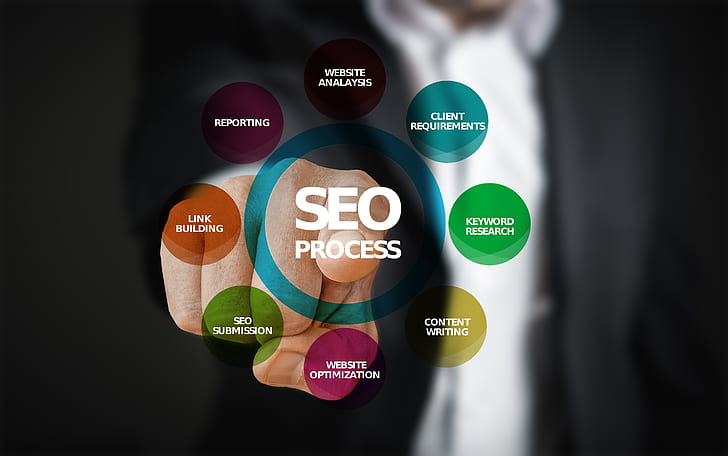
SEO exists to grow your pipeline. Use it to fill your schedule with live demos. Success in retail starts with search. Ranking well makes it easy for customers to stumble upon your brand and spend money.
Even if deals take months to close, every search visitor needs a clear path to a trackable action. You might ask them to fill out a form, join your list, book a call, or buy your main product.
Each brand defines success its own way. It doesn’t work that way. Good search strategy needs to fuel a real business win.
Think of solid SEO as your most reliable team member. It brings in people who fit, points them in the right direction, and keeps working while you sleep.
You can see how digital expansion works by watching Video 7 through Video 9. They turn big ideas into a simple visual guide.
The Psychology Behind Success Matters More Than People Admit
Logic helps. However, heart carries you further. Inner strength matters. So does hope and keeping your cool.
Many leaders bristle at that truth because crunching numbers feels a lot more comfortable than looking in the mirror. Humans push the buttons. If your head isn’t in the game, the pressure will break you before the machine does.
Self-efficacy became a major topic in 1977. Stanford psychologist Albert Bandura started the conversation. In plain English, self-efficacy is your belief that you can handle the task in front of you.
We mean business with this idea. It transforms your mindset. When you believe you can fix a mess, you stay focused and take fast action to win.
Fresh studies back up those claims. Scientific Reports highlights that believing in your own skills actually fast tracks your professional growth.
For founders, that matters because growth usually goes to the person who keeps adjusting, learning, and moving. Productive sweat builds value. Faking a full schedule builds nothing.
Growth beats perfection
Rigid thinking turns a simple mistake into a life sentence. A growth mindset treats mistakes like data, and that shift can help people achieve success more often.
Carol Dweck changed how we talk about success by introducing fixed and growth mindsets. Founders should learn this fast because new companies almost never follow a predictable path.
Sometimes your work just won’t land. You will test offers that miss, waste time on a weak tactic, and still need to keep going.
Messing up matters less than how you recover. Speed is everything. If you pick up new skills faster than others, you win. Treat every stumble as a lesson that sharpens your next strategy.
Emotional Intelligence Has a Quiet Role in Success
We often mistake smart strategy for the only path to growth. Business is people, and people bring moods, fear, stress, ambition, pride, and messy communication.
Emotional intelligence helps you read yourself and others better. That can improve leadership, sales, hiring, partnerships, and your daily decision-making.
Researchers writing for Frontiers in Psychology discovered that people with high emotional intelligence actually do a better job at work. TalentSmartEQ also reports that people with high EI make more on average than people with low EI.
You need more than just heart to scale a startup. Success follows those who manage their stress. If you can think clearly while others panic, you will consistently come out on top.
Support Systems Matter More Than Hustle Culture Admits
The myth of the lone genius founder refuses to die. It should, because most lasting success has a support network behind it.
Hard times feel lighter when you have backup. Data in Psychoneuroendocrinology suggests that your social network actually boosts your ability to recover from stress. Johns Hopkins Medicine highlights how a strong social circle boosts your physical health and cuts down on daily stress.
Founders need this reminder. Your name is on the door, but your foundation depends on others. Trusted advisors and family provide the perspective you need to decide wisely.
That is not weakness. Solid frameworks build the foundation you need for a business that actually lasts.
Burnout is bad business
If you celebrate constant fatigue like a prize, your organization will eventually demand a heavy payment. Recent Indeed research highlights that the majority of professionals are hitting a wall.
Founders typically perform way above the curve on this issue. Folks are finally ditching the habit of working until they break. These new takes on success show that constant stress is no longer a badge of honor.
Top professionals now follow this pattern. Simone Biles paused her Tokyo Olympics run to focus on her mind, proving that even the best athletes fail without a solid mental foundation.
Hard work requires rest. You cannot treat your well-being like an optional bonus when your career depends on it. Winning means nothing if you burn out before the finish line.
Examples of Success That Go Beyond Money
Cash drives everything. Anyone pretending it does not is either wealthy already or selling a course.
Wealth matters. However, it stays a single piece of the puzzle. Some people want to change the world. Others just want the freedom to go where they please. At the end of the day, true success usually means your career matches your personal principles.
Patagonia led the charge for ethical brands by signing on as the very first benefit corporation in California back in 2012. By choosing the earth over a paycheck, they redefined what a victory looks like.
Looking at Oprah Winfrey through a Harvard Business School lens reveals a woman who constantly updated her vision for her own success. People change. Their view of a win changes right along with them.
Great achievements usually take a long time to build. It is still true that many seemingly perfect success stories hide years of quiet effort, missed shots, and course corrections.
Some people define winning by the size of their bank account. Success might look like a happy home, extra hours with the kids, finishing a degree, or supporting a charity that matters to you.
Success often looks like a gold medal to a professional athlete. Success often means raising kind humans while keeping enough fuel in the tank for your own dreams.
This is why success isn’t one-size-fits-all. The best way to pursue success is to define success in terms that still matter when the applause fades.
A Better Way to Measure Success in SEO
Your current marketing scorecard is likely too simple for the job. Move past vanity metrics and build a measurement plan that proves your true value. Charts tell one story. They don’t mark the end of your work.
Measure SEO with outcomes that support the business. You might be tempted to skip this step. Don’t do it. It provides the straight facts you need to judge your progress fairly.
| This measurement lacks strength. | Improved Tracking Standards | Why This Fact Matters |
|---|---|---|
| Your results page. | Solid leads through unpaid traffic. | Leads connect visibility to business value. |
| All incoming web activity. | Active user visits. | People participate when they care. |
| Digital reader hits. | Request a private showing | Asking for information signals that a customer is ready to pay. |
| Measuring only taps. | Cash flow we impacted. | Sales provide the oxygen your company needs to survive. |
| Listed site results. | Landing pages that actually sell. | This data identifies your best pages. |
Watch the next best action if the money trail goes cold. Look at form fills, call clicks, CTA clicks, email signups, booked demos, or free trial starts.
Pay attention to how long people stay, how many links they click, and where they leave. Raw data won’t pay the bills like a conversion does. However, it reveals if your current audience has the spark to become paying customers.
Use SMART goals to build a search plan that actually delivers the results you want. Use SMART goals to trade your vague wishes for real progress.
Try using this format for your next smart goal. increase qualified demo requests from organic traffic by 20% in 90 days. That is much better than saying you want more traffic someday.
A simple success filter for every content idea
Before you publish any page, ask four things.
- Will anyone actually type this into Google?
- Are we actually drawing in the right crowd for this deal?
- Check if the layout pushes people forward.
- We need to see if this made a difference.
If the answer is no more than once, slow down. If the answer is no three times, you may be creating internet confetti instead of content that helps achieve a business result.
How to Define Success for Yourself Without Fooling Yourself
Things are about to get real. They have to. A borrowed definition can wreck a perfectly good life.
Try this simple exercise. What does a life well lived look like today? Put it in writing.
Then ask whether it is based on your values or somebody else’s image of a winning life. Many folks chase a vision of success that belongs to someone else while ignoring the price tag.
Keep it practical. Success right now might be paying yourself on time, replacing random clients with better-fit clients, or building search traffic that compounds month after month.
It may also mean having enough room in your schedule to spend time with your family. Scaling a company means very little if you lose your family and your well-being along the way.
You can also set goals across a few areas so your life stays balanced.
- Business or career goals.
- Personal wealth targets.
- Personal wellness targets.
- Partners worth emulating.
- Our specific growth targets.
- Community or impact goals.
It broadens your perspective on what achievement actually means. It also keeps one category, such as making money, from swallowing everything else.
Pick one specific win you want to achieve today. Then, commit your schedule or your budget to a single action that moves the needle. Regular practice turns big dreams into a clear plan you can actually touch.
Don’t feel stuck. Your response might change. What defines success at one stage may not fit the next, and that is part of a successful life.
Success Leaves Clues for Founders
Genuine victory produces good fruit. It changes how you feel every single day. This approach clears the fog, builds steady momentum, and stops sudden fires before they start.
Cheap wins actually hurt. You feel stressed and scattered because you think you have to impress people who have zero impact on your life.
Here are a few clues that you are on the right track.
- Your chosen indicators support the main mission of your brand.
- Your marketing brings the right people, not just more people.
- Success should feel steady. It should stay calm.
- Your job fuels your body rather than draining your vitality.
- You still hold the reins. These plans belong to you.
- Your reaching milestones connect to long-term goals.
- Your work changes things for the better. It helps the people you serve and the people you work beside.
Flashy gains disappear quickly. Choosing a slower path builds something that stands the test of time. If a project looks plain, take it as a compliment. Reliability rarely needs a flashy coat of paint.
If you want sharper guidance for building that kind of company, visit BizWhisperer and browse the latest business trends, tips, and smart growth ideas. You do not need more noise, and you do not need empty opinions expressed as facts.
You need information that actually helps you move. Whether you are building a brand, improving SEO, or thinking about career services, the same rule applies: define success clearly, track what matters, and adjust as you learn.

Conclusion
So, what is success? Real progress shows up in your bank account or your daily peace of mind, far away from the hollow applause of social media likes.
Real business success hits the sweet spot between profit and purpose. It requires staying true to your mission and building a sustainable routine. You cannot just hunt for viral fame if you want to avoid a total crash. Real achievement means your life feels balanced. You have solid friendships and a job that provides purpose. You give back to your community but still keep enough time for yourself to rest.
That means success in SEO is not just rankings. It is qualified traffic, meaningful action, and business impact.
Winning at life goes beyond getting a round of applause. It is progress that fits your values, your health, and the kind of future you actually want to live in.
Define it well, set goals that match it, and track it honestly. Doing this helps you win the long game. It transforms temporary momentum into a career that actually fulfills you once the noise stops.